Source Non Stick Stock Soup Pot With Cover for Home, Restaurant, Catering
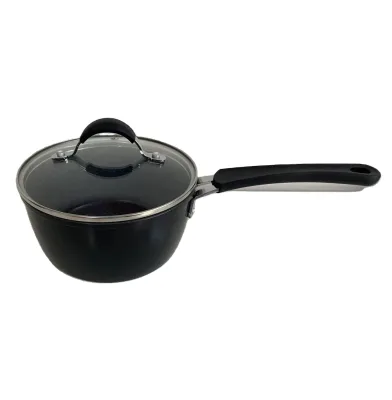
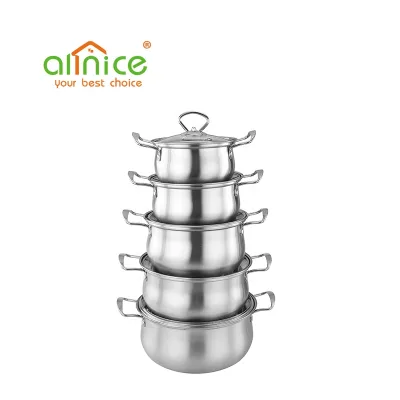
Explore 30 verified listings for a non stick stock soup pot with cover featuring stainless steel or aluminum construction. Buyers can compare induction compatibility, lid types, and customization options to find the right cookware for commercial or home kitchens; compare the available evidence and request quotations based on your requirements.
Key considerations
Products List






Comprehensive Sourcing Guide
Non Stick Stock Soup Pot With Cover Sourcing Guide
Sourcing non-stick stock soup pots with covers requires a careful balance between material durability, coating performance, and thermal efficiency. Buyers must distinguish between aluminum-based options that offer rapid heat distribution and stainless steel variants that provide superior longevity and induction compatibility. The presence of a cover is critical for moisture retention and energy efficiency, making lid design a primary evaluation point. Procurement teams should prioritize suppliers who offer transparent material specifications, particularly regarding the core metal grade and the specific type of non-stick coating applied to the interior surface.
Commercial viability depends heavily on understanding the interplay between customization options and minimum order quantities. Many manufacturers support logo branding and handle customization, which adds value for private label projects but may increase production complexity. Buyers need to assess whether the supplier’s standard models align with their target market’s aesthetic preferences, such as American-style designs or specific rim shapes. Establishing clear communication regarding packaging requirements and single-unit gross weights ensures accurate freight cost calculations and warehouse planning from the outset of the sourcing process.
Product Scope and Observed Listing Signals
The current market landscape for non-stick stock soup pots reveals a diverse range of product configurations tailored to different cooking needs. Listings frequently highlight features such as sustainable materials, stocked inventory for faster delivery, and customizable elements like handles and lids. Common observed attributes include straight shapes with folded rims, which enhance structural integrity and stacking efficiency. Buyers should note that while many products are marketed as eco-friendly, the specific environmental claims vary, and verification of these assertions is necessary to ensure alignment with corporate sustainability goals.
Price points and minimum order quantities exhibit significant variance, reflecting differences in material quality and production scale. Observed data indicates a broad price range, with entry-level options starting at lower thresholds and premium models reaching higher price points. Minimum order quantities typically start at ten units for sample orders but scale up to two thousand units for full production runs. This disparity requires buyers to align their initial procurement strategy with their sales volume projections, ensuring that inventory holding costs do not outweigh the benefits of bulk purchasing discounts.
Technical Specifications to Verify
Material composition is the most critical technical factor, with stainless steel grades 201 and 304 being common choices for durability and corrosion resistance. Aluminum cores are also prevalent, often paired with heat-resistant exterior coatings to improve aesthetics and heat distribution. Buyers must verify the bottom construction, as options like four-layer capsuled bottoms or brazing bottoms significantly impact induction compatibility and even heating. The presence of an induction-compatible bottom is essential for modern kitchens, ensuring that the pots perform efficiently on various stove types, including gas and induction cookers.
Coating technology and lid design further define product performance. Interior surfaces often feature PTFE coatings for reliable non-stick properties, while exterior finishes may include high-temperature paint for visual appeal. Lid types vary from transparent glass to colored glass, with designs ranging from C-type to G-type configurations. Buyers should confirm the handle material, such as stainless steel or Bakelite, to ensure heat resistance and ergonomic comfort. Verifying these specifications against actual product samples prevents discrepancies between marketing claims and the physical goods received.
Compliance and Safety Documentation
Food contact safety is paramount, requiring suppliers to provide valid certifications such as FDA and LFGB approvals. These certifications ensure that the materials used in the pot, including the non-stick coating and metal body, do not leach harmful substances into food during cooking. Buyers must request current test reports and certificates of compliance for each batch or product line, verifying that the documentation matches the specific model numbers and materials declared. This due diligence protects against regulatory risks and ensures that the products meet the stringent safety standards of target markets.
Environmental and health claims must be substantiated with credible evidence. While many products are labeled as eco-friendly or environmentally friendly, buyers should inquire about the specific manufacturing processes and material sourcing that justify these labels. Understanding the lifecycle of the product, from raw material extraction to end-of-life disposal, helps in making informed procurement decisions. Suppliers who can provide detailed information about their environmental practices demonstrate a higher level of transparency and commitment to sustainable business operations.
Cost Drivers and Commercial Terms
The cost structure of non-stick stock soup pots is influenced by material selection, coating technology, and customization requirements. Stainless steel models generally command higher prices than aluminum counterparts due to the cost of raw materials and more complex manufacturing processes. Customization options, such as logo printing and handle variations, add to the unit cost but can enhance brand value for the buyer. Understanding these cost drivers allows procurement teams to negotiate effectively and allocate budgets appropriately across different product tiers.
Packaging and logistics play a significant role in the total landed cost. Products are typically packed in color boxes and cartons, with single package dimensions and gross weights affecting shipping efficiency. Buyers should calculate the volumetric weight versus actual weight to optimize container loading and reduce freight expenses. Additionally, lead times and payment terms vary among suppliers, so establishing clear commercial agreements early in the sourcing process helps mitigate financial risks and ensures timely delivery of goods.
Supplier Qualification and Quality Control
Evaluating supplier capabilities involves assessing their production capacity, quality management systems, and track record. Buyers should verify that suppliers have established processes for inspecting raw materials, monitoring production lines, and conducting final quality checks. Requesting samples before placing large orders allows for a thorough evaluation of product quality, including the adherence to specified dimensions, coating integrity, and overall finish. Suppliers who are willing to accommodate sample requests and provide detailed product information are often more reliable partners.
Quality control protocols should include regular audits and performance testing of the non-stick coating and thermal properties. Buyers can implement incoming quality inspections to verify that the received goods match the approved samples in terms of material, coating, and packaging. Establishing clear acceptance criteria and communication channels for addressing defects ensures that any issues are resolved promptly. Building a strong relationship with suppliers based on mutual trust and rigorous quality standards leads to long-term procurement success.
Long-Term Procurement Checks
Continuous monitoring of supplier performance is essential for maintaining product quality and supply chain stability. Buyers should regularly review key performance indicators such as on-time delivery rates, defect rates, and responsiveness to issues. Periodic re-evaluation of supplier certifications and compliance documentation ensures that they remain up-to-date with changing regulatory requirements. This proactive approach helps identify potential risks early and allows for timely adjustments to sourcing strategies.
Market trends and consumer preferences evolve, requiring buyers to stay informed about new product developments and technological advancements. Engaging with suppliers to discuss future innovations, such as improved coating technologies or sustainable material options, can provide a competitive advantage. Building a diversified supplier base reduces dependency on single sources and enhances resilience against supply chain disruptions. Long-term procurement success depends on fostering collaborative relationships and adapting to changing market dynamics.
FAQs
What materials are used in the non stick stock soup pot with cover?
The listed pots are made of stainless steel 201/304 or aluminum, depending on the model. Stainless steel versions feature a 4-layer capsuled or induction bottom for stable heating, while aluminum models carry a PTFE nonstick interior coating with heat-resistant exterior paint. Buyers should confirm the exact material and coating combination for the model they intend to order.
Can I customize the logo and packaging on a non stick stock soup pot with cover?
Yes, customized logos are acceptable, and packing can be arranged as a color box and carton or tailored to your requirements. Customization typically applies to the handle, lid, and exterior finish as well. Provide your artwork and packaging specifications early so the factory can confirm feasibility, sample costs, and any effect on unit pricing before production begins.
What is the minimum order quantity for a non stick stock soup pot with cover?
The listed minimum order quantity is 1000 pieces per model. Some related items show MOQs ranging from 10 to 2000 pieces, so the requirement varies by product type and customization level. Confirm the MOQ for your chosen size and finish, since customized logos, lids, or coatings may carry a higher minimum than stock configurations.
Which sizes are available for the non stick stock soup pot with cover?
Available sizes include 14-30cm for one series, 16cm, 20cm, and 24cm for another, and 16/18/20cm options for the aluminum non stick sauce pot. Choose the size set that matches your target market and cooktop use. Size selection can also affect unit weight, packaging dimensions, and the final price per piece.
Which cooktops does the non stick stock soup pot with cover work on?
The pots are generally suitable for gas and induction cookers. Stainless steel models achieve induction compatibility through an induction or capsuled bottom, so verify the bottom construction for the model you select. Aluminum non stick versions should be checked for induction readiness as well, since base material determines performance on induction hobs.
What certifications apply to the non stick stock soup pot with cover?
The listed products carry FDA and LFGB certification, which covers food-contact safety requirements in major export markets. Certification status can vary by model and coating type, so request the current test reports for the specific item and batch. Buyers exporting to regulated markets should confirm documents remain valid before each production run.
How is the non stick stock soup pot with cover packed for shipping?
Standard packing uses a color box and carton, and customized packing is available on request. The aluminum sauce pot lists a single package size of 20X28X10 cm with a single gross weight of 1.000 kg. Confirm carton quantities, stacking limits, and drop-test requirements with the supplier so transit packaging suits your distribution channel.
Can the handle and lid of the non stick stock soup pot with cover be changed?
Yes, handles and lids can be customized. Options include a stainless steel handle or knob, a bakelite handle, a C type transparent glass lid, or a G type blue glass lid. Some frying pan variants are supplied without a pot cover. Specify your preferred combination when requesting a quotation, as lid and handle choices influence tooling and cost.